The Rise of the AI-Powered Solopreneur: How One-Person Startups Are
Reshaping Business in 2026

By JustStartUp Editorial Team | March 15, 2026 | 8 min read
Something extraordinary is happening in the startup world this year. The idea of a single person building and running a billion-dollar company—once dismissed as a Silicon Valley fantasy—is rapidly becoming a serious business model. Both Sam Altman and Dario Amodei have publicly predicted that 2026 will see the first one-person unicorn, and with 36.3% of all new global startups now solo-founded, the data is catching up to the hype.
This isn’t just about founders choosing to go it alone. It’s about an entirely new class of AI-powered tools—autonomous agents, co-pilot systems, and orchestration platforms—that allow a single individual to operate with the output of a 50-person team. The economics of starting a company have been permanently rewritten, and for aspiring entrepreneurs, the implications are massive.
The Numbers Behind the Solopreneur Surge
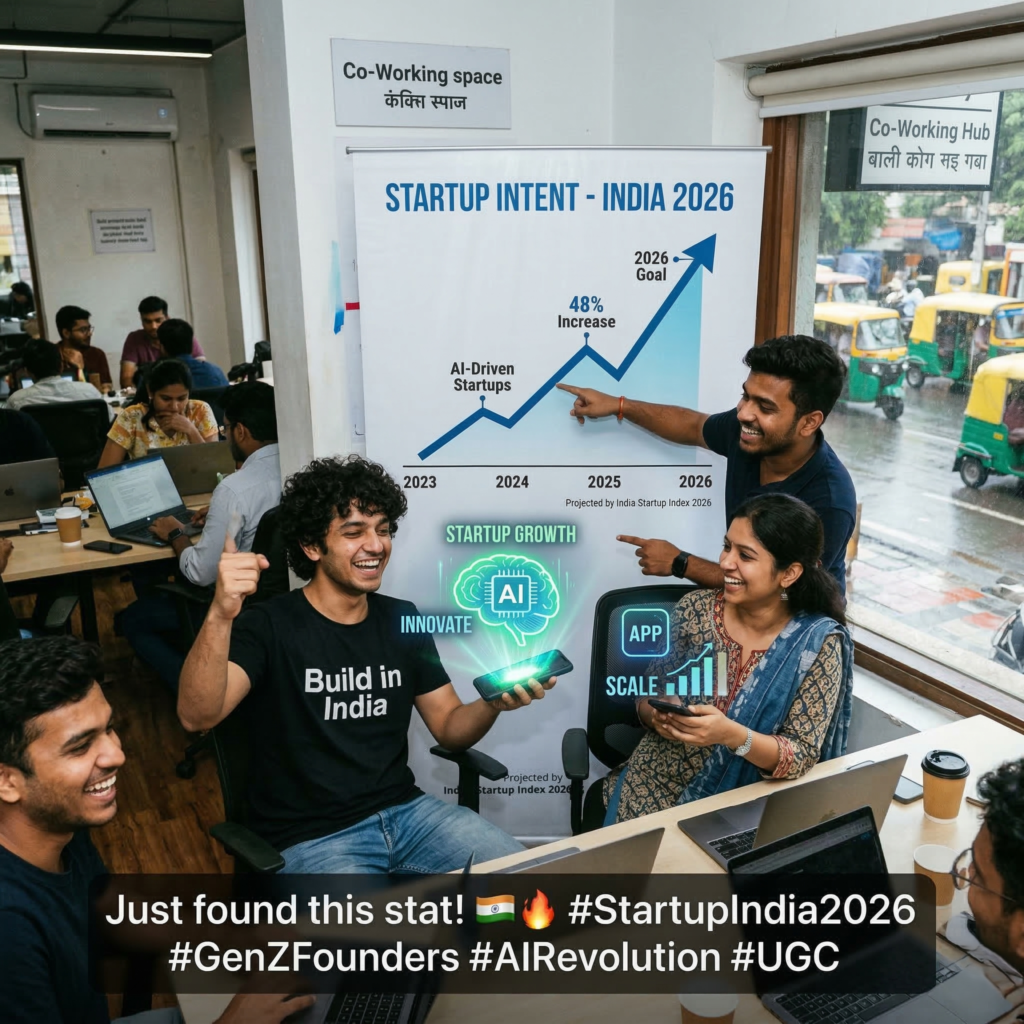
The entrepreneurial energy in 2026 is unlike anything we’ve seen before. According to recent research, one in three U.S. adults—a full 33%—plan to start a new business or side hustle within the next 12 months. That’s a staggering 94% jump from just last year. Gen Z leads in entrepreneurial intent at 43%, while 74% of Millennials report feeling genuine urgency to launch something of their own.
What’s driving this wave? More than 60% of aspiring entrepreneurs say they’ll use AI to help launch their business. Millennials are the most AI-forward generation, with 75% planning to leverage artificial intelligence for everything from branding and market research to building websites and developing financial models. The barrier to entry hasn’t just been lowered—it’s been practically demolished.
Meanwhile, the venture capital landscape tells a very different story. February 2026 saw $189 billion deployed globally—but AI startups absorbed a jaw-dropping 90% of that total. For founders building outside the AI infrastructure layer, traditional funding is harder to access than ever, pushing more entrepreneurs toward self-funded, lean, and community-backed models.What AI Agents Actually Do for Solo Founders
The term “AI agent” gets thrown around a lot, but what does it actually look like in practice for a solopreneur? In 2026, autonomous AI agents have evolved well beyond chatbots. They are action-taking systems that can execute multi-step workflows, make decisions within defined parameters, and coordinate with other agents—much like departments in a traditional company.
The numbers are compelling. The average employee using AI saves 2.5 hours per day. Across even a small team of ten, that translates to 125 recovered hours per week—the equivalent of adding three full-time employees for the cost of a few software subscriptions. For a solo founder, this multiplier effect is even more dramatic. A single senior developer using AI tools can now produce the output of a three-person engineering team. A solo marketer can generate, test, and optimise campaigns that would previously have required a content writer, a designer, and a data analyst.
Sequoia Capital has taken notice. The firm has begun adjusting its underwriting models to account for what it calls “agentic leverage”—the ability of tiny teams to produce outsized output using AI agent orchestration. When a top-tier VC firm starts modelling around solo founders, it’s no longer a trend. It’s a structural shift.
The Anatomy of a One-Person Startup in 2026
So what does a modern solopreneur’s operation actually look like? Picture a founder who manages product development through AI coding assistants, runs customer support through intelligent chatbots, handles marketing through AI-generated content and automated campaign management, and tracks finances through AI-powered forecasting tools—all from a single dashboard.
The emerging model involves a primary orchestrator agent that coordinates a swarm of smaller, specialised expert agents—each focused on a specific domain. It mirrors the structure of a well-run company, with specialisation and top-down coordination, except the entire “team” runs on API calls instead of salaries.
This is precisely why platforms like JustStartUp are so relevant right now. JustStartUp’s AI co-founder acts as exactly this kind of strategic partner—helping solo founders refine their pitch, stress-test financial projections, generate investor-ready reports, and articulate their vision with the polish of a seasoned advisory team. For a solopreneur who doesn’t have a co-founder, a board of advisors, or an MBA, this kind of AI-powered support isn’t a luxury. It’s the difference between launching and staying stuck.

Why Community Funding and Solopreneurship Are a Perfect Match
Here’s where the solopreneur revolution intersects with another powerful trend: community-backed funding. When you’re a one-person operation, every dollar of funding matters more. You can’t afford to give up 20–30% of your equity in a traditional VC round, especially when you’re the only one doing the work.
Community funding platforms allow solo founders to raise capital while simultaneously building an audience of early adopters who are genuinely invested in their success. Unlike a VC partner who wants a board seat and a 10x return, community backers want to see the product succeed because they believe in the mission.
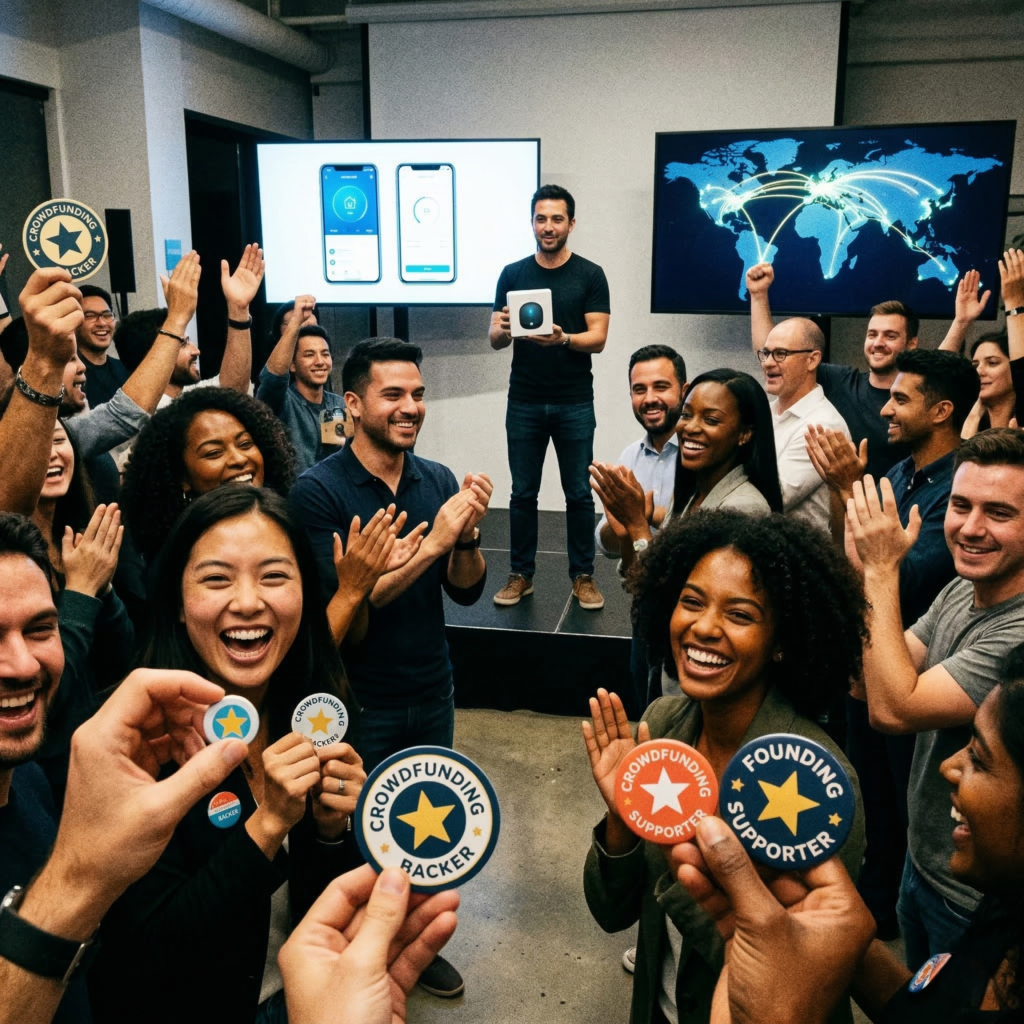
JustStartUp was designed for exactly this dynamic. By connecting brands that lack capital and visibility with niche global backers, the platform transforms fundraising from a gatekept process into a community-driven movement. Backers earn star badges that unlock lifetime benefits from the brands they support, creating a genuine reciprocal relationship. For a solopreneur, this means your earliest supporters aren’t just investors—they’re your marketing team, your feedback loop, and your first loyal customers, all in one.
The global crowdfunding market has surged past $18.5 billion in 2026, and with nearly 48% of backers now contributing through their smartphones, the infrastructure for mobile-first, cross-border community funding has never been stronger. For a lean solopreneur, this is the ideal funding model: raise what you need, keep your equity, and build your community from day one.
The Execution Gap: Why AI Literacy Is the New Competitive Advantage
There’s an important caveat to the solopreneur revolution that doesn’t get enough attention. While 88% of companies have adopted some form of AI, only 6% report seeing significant benefits. The gap between AI’s potential and its actual impact is enormous, and it comes down to one thing: execution.
AI literacy—understanding not just what tools exist, but how to integrate them effectively into real workflows—is quickly becoming the defining competitive advantage for founders. The solopreneurs who thrive in 2026 won’t be the ones who simply sign up for every new AI tool. They’ll be the ones who develop deep fluency in prompt engineering, agent orchestration, and workflow automation. They’ll know when to delegate to AI and when human judgment is irreplaceable.
This is another area where having an AI co-founder—like the one JustStartUp provides—can be transformative. Rather than spending weeks learning every tool independently, founders get a strategic AI partner that already knows how to structure a pitch, model unit economics, and identify the right audience segments. It’s the difference between having a box of power tools and having an experienced contractor who knows exactly which tool to use and when.What This Means for Aspiring Entrepreneurs
If you’ve been waiting for the right moment to start a business, 2026 might be the most favourable environment in history for solo founders. The tools are more powerful and accessible than ever. The funding models have diversified beyond the traditional VC gatekeepers. And the cultural narrative has shifted from “you need a team” to “you need the right systems.”
The founders who will succeed are those who think in terms of leverage—using AI agents to multiply their output, community funding to build a loyal base without diluting ownership, and platforms like JustStartUp to access the strategic support, visibility, and backer networks that were previously reserved for well-connected insiders.
Whether you’re a developer who wants to ship a SaaS product solo, a creator building a direct-to-consumer brand, or a domain expert turning your knowledge into a scalable business, the infrastructure exists right now to make it happen. The one-person unicorn may still be a prediction, but the one-person successful startup is already a reality for thousands of founders around the world.