
Short Story
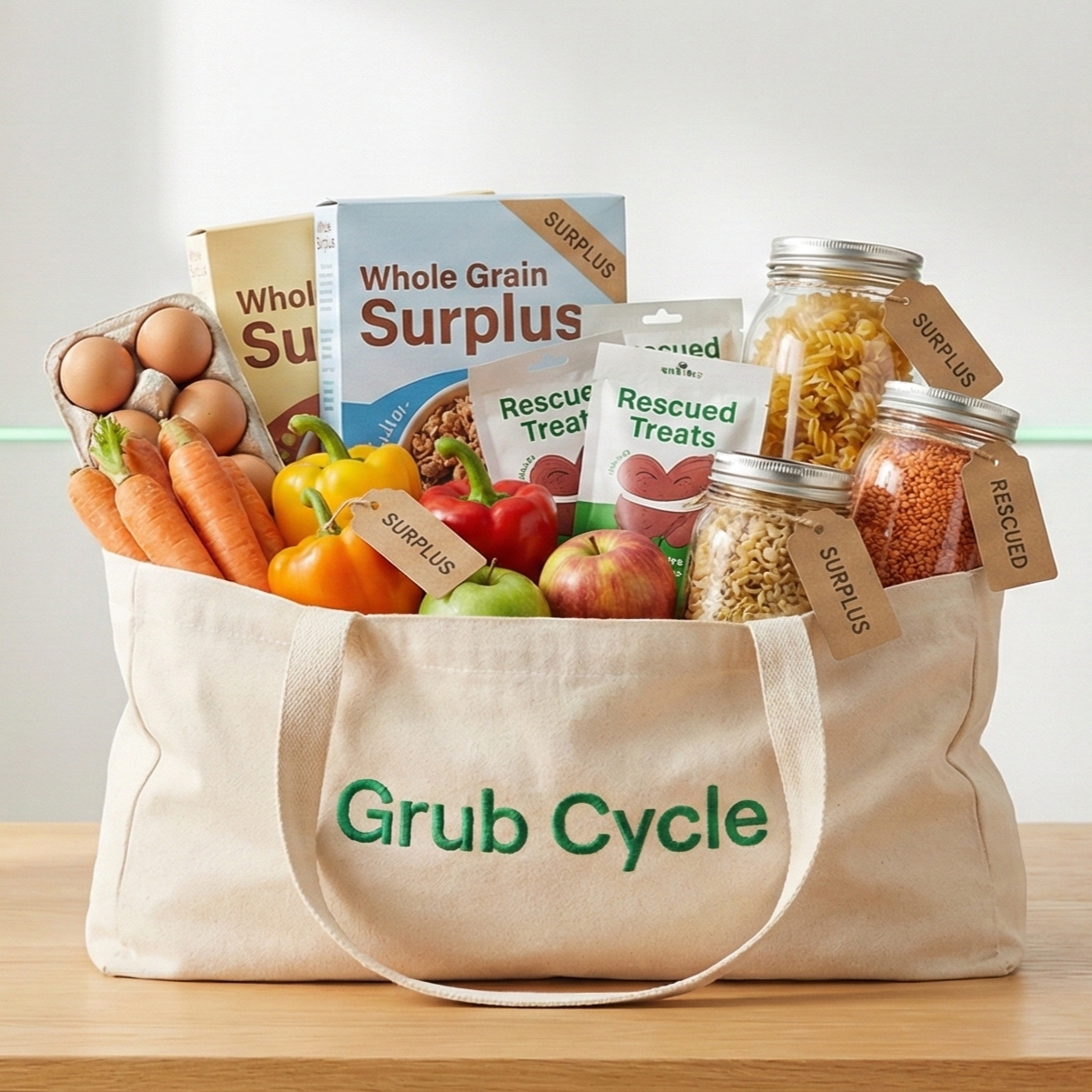
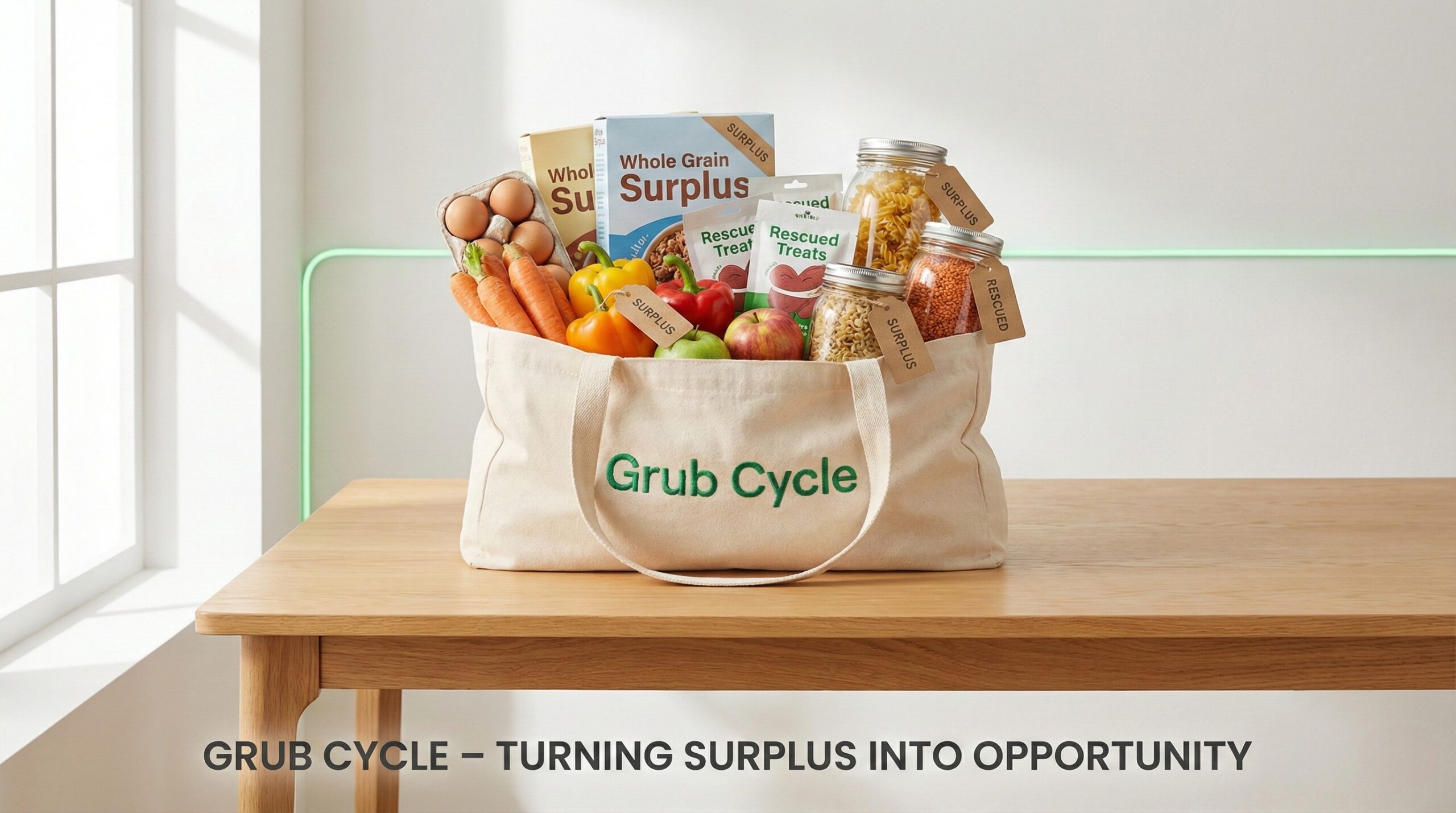
Grub Cycle is a Malaysian social supermarket that rescues surplus and near-expiry food from supermarkets, bakeries, cafés and food suppliers, then sells it to consumers at below-market prices. Part of the proceeds are used to subsidise essential groceries for low-income families, turning food waste into affordable nutrition and measurable social impact.
Grub Cycle
-
₹12,000,000.00
Funding Goal -
₹0.00
Funds Raised -
0
Days to go -
Target Goal
Campaign End Method

Campaign Story
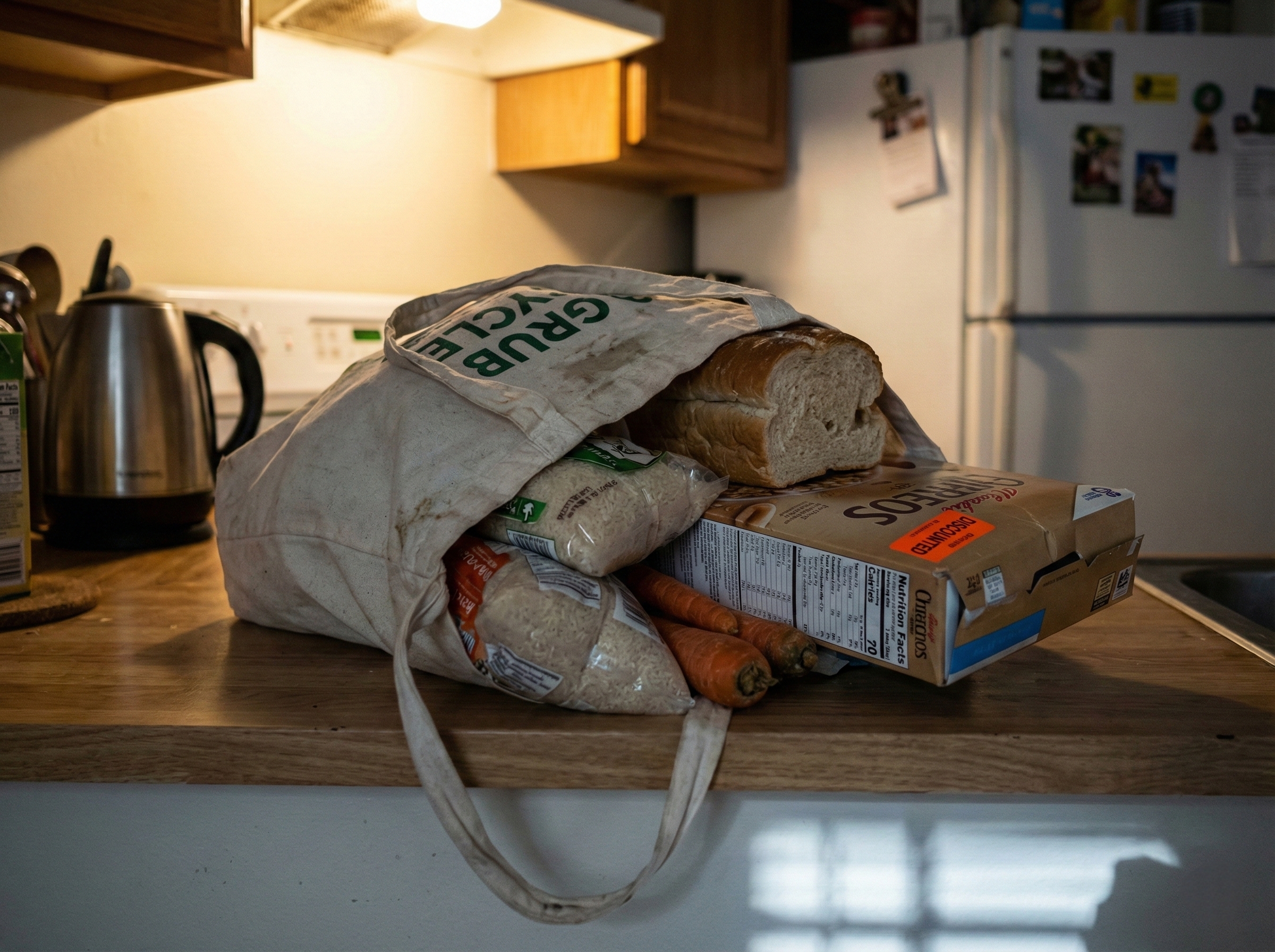
Malaysia throws away thousands of tonnes of perfectly edible food every day. An estimated 3,000 tonnes of that daily waste is still safe to eat, enough to feed millions of people three meals a day. At the same time, low and middle-income families are struggling with rising food prices and stagnant wages. Food that could nourish communities is instead going to landfills, worsening environmental pressure and doing nothing to ease food insecurity.
The gap is clear: surplus food exists, hungry households exist, but the bridge between them is weak, informal, and unscaled.
2. The Solution – Grub Cycle
Grub Cycle operates as a social supermarket and food-rescue platform. It partners with supermarkets, bakeries, cafés, restaurants and food distributors to recover surplus food that is:
-
Close to expiry
-
In cosmetically damaged packaging
-
Excess inventory or overproduction
All items are still safe and high-quality, but would normally be written off, discounted heavily, or discarded.
Grub Cycle buys or collects these products at reduced cost, then sells them back to consumers via its platform and channels at below-market prices, creating a win–win cycle:
-
Food businesses free up storage, reduce wastage and improve ESG performance
-
Consumers access cheaper groceries and snacks
-
Less edible food ends up in landfills
Part of the proceeds is channelled into subsidised “Grub Bags” for low-income families, containing staples like rice, cooking oil, sugar and eggs at highly reduced prices.
3. How It Works (Key Offerings)
-
Grub Groceries – Surplus and near-expiry dry goods, snacks, condiments and pantry items at discounted prices.
-
Grub Bites – Discounted pastries and ready-to-eat items from partner bakeries and cafés.
-
Grub Homemades – Upcycled products from perishables (e.g., jams, pickles, kimchi) made from rescued fruits and vegetables.
-
Grub Bags – Monthly subsidised bags for low-income households funded via margins and campaigns, reducing their food bill while improving nutrition.
Digital channels (website / app) allow users to browse available surplus items, buy at a bargain, and either pick up or arrange delivery through partners.
4. Traction & Impact
Since launch in 2016, Grub Cycle has:
-
Rescued many tonnes of edible surplus food from going to waste (public sources cite 1.6+ tonnes early on, scaling up to 10,000 kg saved over time).
-
Supported dozens of low-income families monthly with subsidised Grub Bags.
-
Participated in accelerator and social enterprise programmes under MaGIC and other regional innovation bodies.
The model has proven both environmentally and socially impactful, with clear metrics: kilos of food saved, number of families supported, and customer savings.
5. Why Crowdfunding on JustStartUP
Grub Cycle is at the stage where the model is validated, the impact is visible, but scale is constrained by:
-
Limited logistics capacity for collecting and redistributing surplus food
-
Need to upgrade and maintain tech (app, inventory system, analytics)
-
Expansion into new neighborhoods and partnerships across Malaysia and, eventually, the wider ASEAN region
By raising funds on JustStartUP, Grub Cycle can:
-
Onboard more food business partners faster
-
Expand storage and cold-chain capacity
-
Increase the number of Grub Bags sponsored for low-income families
-
Invest in public education and awareness campaigns around food waste
This is a campaign where every rupee does three things at once: cuts waste, cuts costs, and feeds more people.
6. Use of Funds (High-Level)
-
35% – Logistics and operations (vehicles, cold storage, warehousing, staff)
-
25% – Technology (platform upgrades, app, inventory & routing systems)
-
20% – Expansion and partnerships in new cities / regions
-
10% – Impact measurement, reporting, and certifications
-
10% – Working capital and contingency
Reviews
There are no reviews yet.